
Discovering the Art and Craft of Pottery: A Deep Dive into Techniques and Styles
By Halima Ferreira · · 4 min read
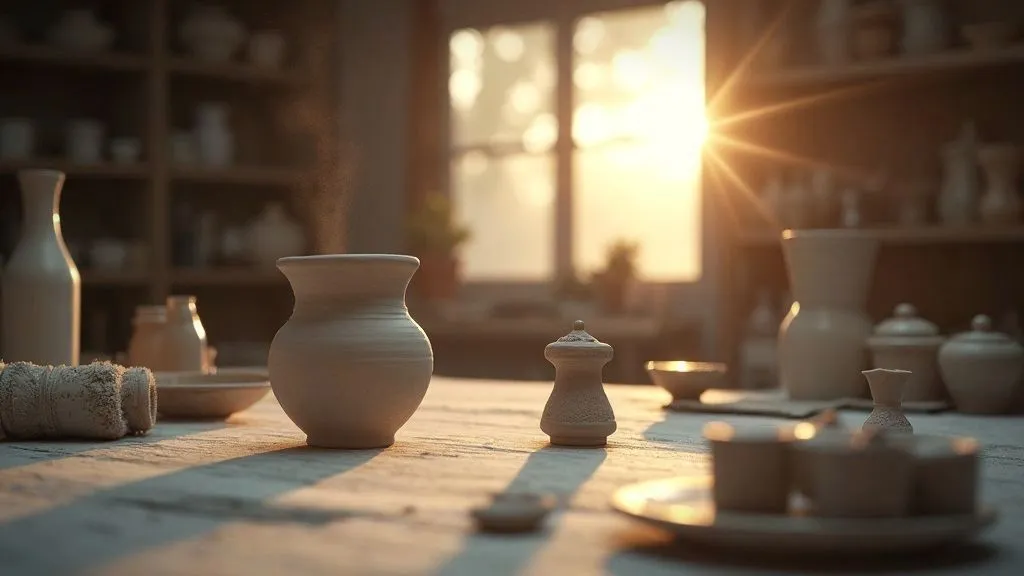
Pottery has long been an essential part of human culture, serving practical purposes while also providing a canvas for artistic expression. From ancient civilizations to contemporary artists, the craft of pottery encompasses a diverse range of techniques and styles. In this article, we will explore various methods of pottery making, delve into the different styles and types of pottery, and discuss the significance of pottery in today’s world.
The Fundamentals of Pottery Making
At its core, pottery involves shaping clay and firing it to create durable objects. The process can seem daunting to beginners, but understanding the basic steps can help demystify the art.
Selecting the Right Clay
The first step in pottery making is choosing the appropriate type of clay. There are several types of clay, each with distinct properties:
- Earthenware: Known for its porous nature, earthenware is typically fired at low temperatures. It is often used for decorative pieces but can also be functional.
- Stoneware: This type of clay is fired at higher temperatures, making it more durable and non-porous. Stoneware is popular for functional dishes and cookware.
- Porcelain: Renowned for its strength and translucence, porcelain is fired at very high temperatures. It is often used for fine dining and decorative pieces.
Each type of clay brings its own set of challenges and opportunities, influencing the final product’s texture, color, and functionality.
Shaping Techniques
Once the right clay is selected, artisans can employ various shaping techniques to create pottery:
- Hand-building: This traditional technique involves shaping the clay using fingers and tools. Common methods include pinching, coiling, and slab building. Hand-built pottery often exhibits a unique, organic quality, reflecting the artisan’s touch.
- Wheel-throwing: This method utilizes a potter’s wheel to create symmetrical shapes. The wheel spins while the potter adds pressure to shape the clay. This technique requires practice and skill but allows for uniform, elegant designs.
Drying and Firing
After shaping, the pottery pieces must dry to a leather-hard state before firing. This stage is crucial, as it prevents cracking during the firing process. Once dried, the pottery is bisque fired, resulting in a porous, hard object ready for glazing.
The glazing process involves applying a liquid glass-like coating to the pottery, which enhances its appearance and makes it waterproof. Finally, the pottery is fired again at a higher temperature, transforming the glaze into a smooth, glossy surface.
Exploring Pottery Styles
The world of pottery is rich with diverse styles, each reflecting cultural traditions, artistic movements, and personal creativity.
Traditional Pottery Styles
Many cultures have developed distinctive pottery styles that tell stories about their history, values, and beliefs:
- Japanese Pottery: Renowned for its simplicity and natural beauty, Japanese pottery often features earthy glazes and minimalist designs, reflecting the principles of Zen aesthetics.
- Native American Pottery: This style is characterized by intricate patterns and vibrant colors. Each tribe has its own unique methods and designs, often incorporating symbolism that represents their culture and beliefs.
- Mediterranean Pottery: From ancient Greek amphorae to modern Italian ceramics, Mediterranean pottery is known for its decorative motifs and functional forms, often used in everyday life.
Contemporary Pottery
In recent years, contemporary pottery has seen a resurgence as artists explore innovative techniques and materials. Many potters today blend traditional practices with modern designs, resulting in one-of-a-kind pieces that challenge conventions.
- Functional Art: Many contemporary potters focus on creating functional items such as mugs, bowls, and plates that are both aesthetically pleasing and practical.
- Sculptural Forms: Artists are increasingly experimenting with abstract and sculptural pottery, pushing the boundaries of what pottery can be. These works often serve as conversation starters and focal points in home decor.
The Role of Pottery in Society
Pottery is not just an art form; it plays a significant role in society, influencing culture, commerce, and community.
Cultural Significance
Throughout history, pottery has served as a vital form of expression. It connects people to their heritage, allows for storytelling, and fosters community engagement. Pottery workshops and classes provide opportunities for individuals to learn and share their skills, creating a sense of belonging and connection.
Economic Impact
In many regions, pottery serves as a source of income for artisans. Local markets and crafts fairs often feature handmade pottery, supporting small businesses and promoting sustainable practices. The popularity of handmade goods has led to a growing appreciation for artisanal pottery, with consumers increasingly seeking unique, quality items over mass-produced alternatives.
Sustainable Practices
The pottery community is also embracing sustainable practices. Many artisans prioritize environmentally friendly materials and techniques, focusing on reducing waste and using non-toxic glazes. As consumers become more environmentally conscious, the demand for sustainable pottery continues to rise, encouraging artisans to innovate and adapt their practices.
Conclusion
The art of pottery is a captivating journey that intertwines history, culture, and personal expression. From traditional techniques to contemporary innovations, pottery continues to evolve while remaining a timeless form of creativity. As we explore this craft, we not only appreciate the beauty of handmade pottery but also recognize its significant role in society—connecting us to our past while inspiring future generations of artists. Whether you’re a seasoned potter or a curious beginner, the world of pottery invites you to explore, create, and find your unique voice in clay.