
Exploring the Art and Craft of Pottery: A Deep Dive into Techniques and Styles
By Halima Ferreira · · 4 min read
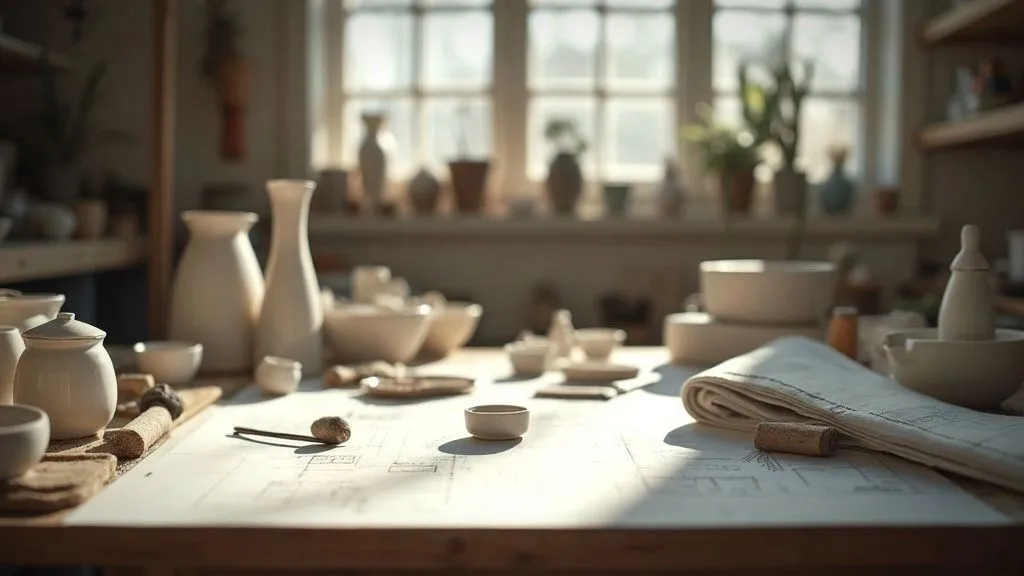
Pottery is an ancient craft that has evolved over thousands of years, reflecting the culture and creativity of the artisans who shape it. From functional items like bowls and vases to intricate sculptures, the world of pottery is rich with diversity and technique. This article will explore various pottery techniques, styles, and the artistic expressions that define this timeless craft.
The Basics of Pottery
Pottery involves shaping clay into desired forms and then firing them in a kiln to create durable, usable, and sometimes decorative items. At its core, pottery can be divided into two main categories: earthenware and stoneware.
Earthenware
Earthenware is made from clay that is fired at low temperatures, typically between 1,830°F and 2,030°F (1,000°C to 1,100°C). This type of pottery is porous and often glazed to make it more waterproof and decorative. Earthenware is known for its warm colors, which can range from reds and browns to lighter shades, depending on the clay and glaze used. It is often utilized for decorative pieces, terracotta pots, and dinnerware.
Stoneware
Stoneware is fired at higher temperatures, usually between 2,190°F and 2,350°F (1,200°C to 1,300°C). It is non-porous and known for its durability, making it ideal for functional dinnerware and cookware. Stoneware often has a more uniform finish and is available in various glazes, including glossy, matte, and textured surfaces.
Pottery Techniques
Understanding the different techniques used in pottery can enhance the appreciation of this art form. Each method brings its own unique characteristics and challenges.
Handbuilding
Handbuilding is one of the oldest pottery techniques and involves shaping clay by hand without the use of a potter’s wheel. There are three primary handbuilding methods:
- Pinch Potting: This technique involves shaping clay by pinching it into form, allowing for organic shapes and textures.
- Coiling: In this method, long coils of clay are stacked and blended together to create various shapes. Coiling can produce both simple and intricate designs, depending on the skill of the potter.
- Slab Building: Clay is rolled into flat slabs and then cut and assembled to form structures. This technique is great for creating geometric shapes and is often used in sculpture.
Wheel Throwing
Wheel throwing is a more dynamic technique that utilizes a potter’s wheel to shape the clay. As the wheel spins, the potter applies pressure with their hands, transforming the lump of clay into symmetrical forms like bowls, mugs, and vases. This method requires practice and skill to achieve consistency and precision.
Surface Decoration Techniques
Once the basic form is created, potters often use various surface decoration techniques to enhance their pieces. These may include:
- Glazing: Applying a glass-like coating that can change the color and finish of the pottery. Glazes can be glossy, matte, or textured, and they serve to protect the clay body.
- Sgraffito: This technique involves scratching through a surface layer to reveal a different color beneath, allowing for intricate designs.
- Mishima: An ancient Japanese technique where a design is incised into the clay and then filled with colored slip, creating a striking contrast.
Influential Pottery Styles
Pottery is not just about functionality; it also embraces a wide range of artistic styles influenced by cultural traditions and personal expression. Here are some notable pottery styles:
Japanese Pottery
Japanese pottery is renowned for its elegance and simplicity. Styles like Raku and Bizen reflect a deep connection to nature and spirituality. Raku pottery, with its distinct firing process, often features unpredictable glazes and textures, making each piece unique.
Folk Pottery
Folk pottery reflects the traditions and lifestyles of local communities. Each region has its own distinctive styles, often characterized by vibrant colors and patterns. This pottery serves both functional and decorative purposes, and the craftsmanship is often passed down through generations.
Studio Pottery
In contrast to mass-produced ceramics, studio pottery emphasizes individuality and artistic expression. Studio potters often experiment with shapes, glazes, and firing techniques, resulting in unique, one-of-a-kind pieces. This style is where personal storytelling and artistic vision come together.
The Role of Kilns in Pottery
A kiln is an essential tool in the pottery-making process. It is used to fire the clay and glazes, transforming them into durable finished products. There are various types of kilns, including electric, gas, and wood-fired kilns, each imparting different characteristics to the pottery.
Electric Kilns
Electric kilns are the most common type used by potters today. They provide precise temperature control and can reach high temperatures, making them suitable for both earthenware and stoneware. They are user-friendly and ideal for beginners.
Wood-Fired Kilns
Wood-fired kilns offer a unique aesthetic to pottery. They are typically constructed in a traditional style and require a significant amount of fuel and labor. The ash from the wood can create distinctive glaze effects on the pottery, adding character and warmth.
The Future of Pottery
As with all art forms, pottery continues to evolve. Contemporary potters are blending traditional techniques with modern technologies, exploring new materials and innovative designs. Environmental sustainability is also becoming an increasing focus, with potters seeking eco-friendly practices in both materials and processes.
Conclusion
Pottery is a multifaceted art form that combines practicality with creativity. Its techniques and styles are as diverse as the cultures from which they originate. Whether you are drawn to the tactile process of handbuilding, the precision of wheel throwing, or the beauty of surface decoration, pottery offers endless possibilities for artistic expression. This timeless craft continues to inspire both makers and collectors alike, ensuring its place in the world of art for generations to come.