
Exploring the Art of Pottery: A Deep Dive into Techniques and Styles
By Halima Ferreira · · 4 min read
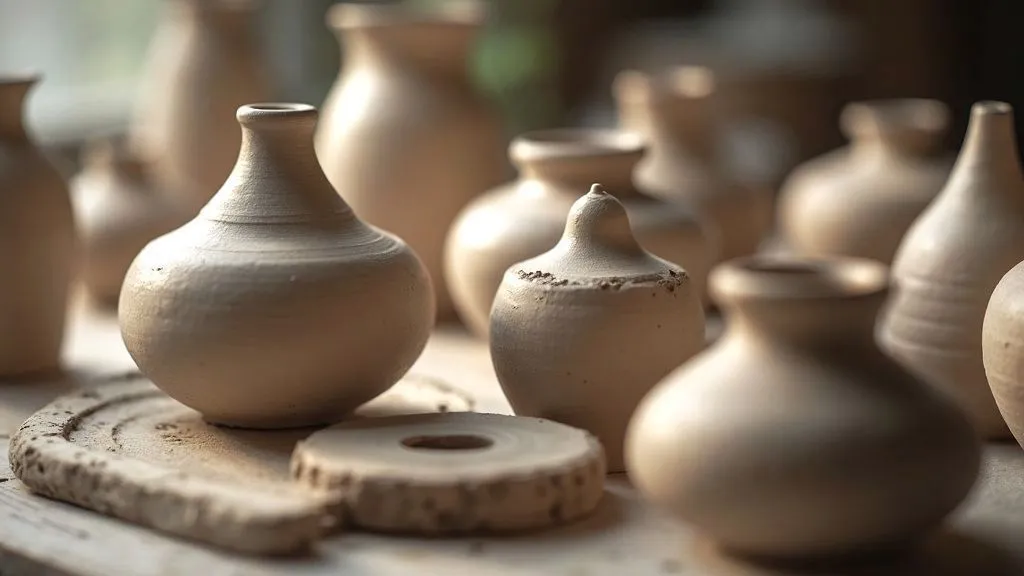
Pottery is an age-old craft that has evolved through the centuries, becoming a medium for artistic expression, functional ware, and cultural storytelling. From the hand-built forms of ancient civilizations to the sleek, modern designs of today, pottery encompasses a vast array of techniques, styles, and traditions. This article aims to guide you through some of the essential aspects of pottery, including popular techniques, unique styles, and tips for aspiring potters.
The Basics of Pottery Making
Before diving into the various techniques and styles, it is crucial to understand the fundamental stages of pottery making. These stages include:
1. Clay Preparation
The journey of creating pottery begins with selecting the right type of clay. There are several varieties, including earthenware, stoneware, and porcelain, each with its own characteristics. The clay must be wedged – a process that removes air bubbles and ensures a uniform consistency.
2. Shaping
Shaping can be achieved through various methods, with the most common being wheel throwing and hand building.
-
Wheel Throwing: This technique involves spinning a potter’s wheel while shaping the clay with your hands. It allows for the creation of symmetrical pieces, such as bowls, vases, and mugs.
-
Hand Building: This method includes techniques like pinching, coiling, and slab building. It offers more freedom for creativity and the ability to create asymmetric forms.
3. Drying
Once shaped, the pottery must dry to a leather-hard stage. This is essential for trimming and adding any additional details. Proper drying also helps prevent cracking during the firing process.
4. Firing
Firing is the process of heating the pottery in a kiln to harden the clay. The first firing, known as bisque firing, prepares the piece for glazing. A second firing occurs after glazing, which melts the glaze and bonds it to the clay body.
5. Glazing
Glazing adds color, texture, and a waterproof finish to the pottery. Glazes can be applied by dipping, brushing, or spraying, and can range from glossy to matte, opaque to translucent.
Popular Pottery Techniques
Several techniques have gained popularity over the years, each providing a unique aesthetic and functional quality to the finished pieces.
Slip Casting
Slip casting is a technique that involves pouring liquid clay (slip) into a plaster mold. As the slip fills the mold, moisture is absorbed by the plaster, creating a layer of clay on the interior surface. Once set, the mold is removed, and the piece is fired. This method is ideal for producing multiple identical pieces, such as dishes or figurines.
Raku Firing
Raku is a traditional Japanese pottery technique that involves removing the pieces from the kiln while they are still glowing hot. The pottery is then placed in combustible materials, which creates a unique surface finish. Raku firing results in vibrant, unpredictable glazes and is often used for decorative pieces rather than functional ware.
Sgraffito
Sgraffito is a decorative technique where a layer of colored slip is applied to the clay body, and then designs are carved or scratched into the surface. This allows for intricate patterns and contrasting colors, adding depth and character to the pottery.
Unique Pottery Styles
Different styles of pottery have emerged from various cultures and time periods, each reflecting the aesthetic values and traditions of their origins.
Japanese Pottery
Japanese pottery is renowned for its beauty and simplicity. Styles such as Shino and Oribe emphasize natural glazes and organic forms. The rustic charm of Mingei pottery celebrates everyday objects with an emphasis on craftsmanship.
Mediterranean Pottery
Mediterranean pottery often features bold colors and intricate patterns. Majolica, for instance, is a tin-glazed pottery that showcases vibrant designs inspired by nature and folklore. This style has roots in Spain and Italy, where artisans have perfected the technique for centuries.
American Folk Pottery
Folk pottery in America is characterized by its utilitarian function and decorative flair. Pieces often feature simple designs and earthy colors, reflecting the cultures of early settlers. The work of potters such as George Ohr and the various regional styles across the U.S. contribute to this rich tradition.
Tips for Aspiring Potters
If you’re interested in starting your pottery journey, here are some tips to help you along the way.
Invest in Quality Tools
Having the right tools can make a significant difference in your pottery experience. Basic tools include a potter’s wheel, various shaping tools, a kiln, and supplies for glazing. As you progress, you may want to invest in specialized tools that suit your style.
Take a Class
Joining a pottery class can provide valuable hands-on experience and guidance from experienced instructors. Classes also offer the opportunity to meet fellow pottery enthusiasts, fostering a sense of community.
Experiment
Pottery is as much about exploration as it is about technique. Don’t hesitate to experiment with different clays, glazes, and firing methods. Each experiment can teach you something new and refine your skills.
Practice Patience
Mastering pottery takes time and practice. Celebrate small successes, learn from your failures, and remain dedicated to improving your craft. The process of creation is just as important as the final product.
Conclusion
The world of pottery is vast and varied, offering endless opportunities for creativity and expression. Whether you gravitate towards traditional techniques or modern styles, the act of transforming raw clay into functional art is deeply fulfilling. Embrace the journey, and let your imagination shape your unique pottery creations.