
Reviving Ancient Techniques: The Modern Renaissance of Pottery
By Halima Ferreira · · 5 min read
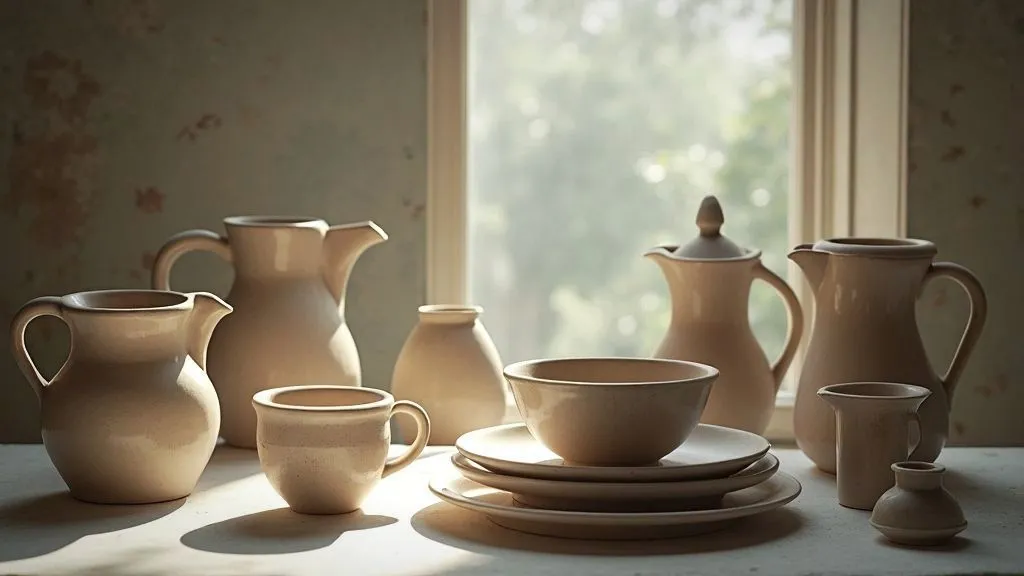
The Resurgence of Ancient Pottery Techniques
The world of pottery often evokes images of clay spinning on a wheel, hands molding the earth into functional art. However, beyond this romanticized vision lies a deeper story—one that involves the revival of ancient pottery techniques. This resurgence isn’t just about aesthetics; it blends heritage, sustainability, and innovation, creating a unique tapestry of modern ceramic artistry.
Over the past decade, there has been a noticeable shift in interest toward ancient pottery techniques. Artists and enthusiasts are eager to connect with traditions that have shaped cultures over thousands of years. This article explores various ancient pottery techniques, the reasons behind their revival, and how contemporary potters are adapting them to fit modern sensibilities.
The Allure of Ancient Pottery Techniques
Why are ancient pottery techniques drawing attention? One key reason is the growing interest in sustainability and materials that are natural and locally sourced. Many ancient techniques focus on using local clay, which not only reduces carbon footprints but also celebrates regional identities.
Experts like Dr. Anne-Marie Lutz, an anthropologist specializing in ancient crafts, highlight that these techniques often embody values of community and environmental stewardship. “Pottery has always been about the relationship between people and their environment. Reviving these techniques reminds us of our roots and the wisdom embedded in them,” she states.
A Closer Look at Ancient Techniques
-
Coiling: One of the oldest methods, coiling involves rolling out ropes of clay and stacking them to create forms. This technique allows for manipulation and creativity. It’s particularly favored for larger pieces where the potter can create organic shapes.
- Before: Modern potters often rely heavily on wheels for symmetry.
- After: With coiling, the focus shifts to unique, intricate designs that celebrate imperfections and individuality.
-
Pit Firing: A traditional method of firing pottery in a pit, this technique imparts unique colors and textures to the clay. Artists like James Horvath have embraced pit firing to explore the unpredictable nature of smoke and fire.
- Before: Conventional kilns often yield predictable results.
- After: Pit firing introduces an element of surprise, making each piece a one-of-a-kind creation.
-
Slab Building: This involves constructing pottery by joining flat pieces of clay. It harkens back to ancient practices used in various cultures worldwide. The technique allows for larger, more sculptural forms.
- Before: Many potters focus primarily on thrown forms.
- After: Slab building opens new avenues for creativity, resulting in artistic pieces that tell a story.
Data Points on the Revival Movement
Recent surveys indicate a marked increase in pottery classes and workshops featuring ancient techniques. For instance, a 2022 study by the Arts and Crafts Association revealed a 35% increase in pottery-related classes across the U.S., with a significant portion emphasizing traditional methods. Additionally, sales of pottery tools dedicated to ancient techniques rose by 22% in online marketplaces during the past year.
Communities are also rallying around this movement. Local pottery studios report that workshops centered on ancient techniques consistently sell out, demonstrating a strong public interest. The social media platform Instagram shows a surge in hashtags related to ancient pottery techniques, with over 150,000 posts tagged #AncientPotteryTechniques in 2023 alone.
Expert Perspectives on the Impact of Ancient Techniques
Artisans today are not just resurrecting techniques; they are also infusing their personal narratives into their work. “The stories behind these practices offer a connection to our ancestors,” shares potter Maria Gonzalez, who incorporates ancient Mayan techniques into her work. “When I create, I feel a sense of continuity with history.”
Moreover, these techniques are being utilized as educational tools. Workshops focusing on ancient pottery not only teach skills but also provide context about cultural significance and craftsmanship. “Learning about the history of pottery enriches the practice itself,” notes potter and educator David Richards. “It instills a sense of respect for the material and process.”
Case Study: The Impact of Ancient Techniques in a Studio
In a small studio in the heart of a bustling city, two potters, Elena and Marco, have dedicated their practice to ancient pottery techniques. They primarily focus on coiling, pit firing, and slab building. Over two years, they documented their journey and measured the impact of their commitment to these techniques.
Before: Initial Struggles
Initially, they struggled with attracting clientele in a market dominated by mass-produced ceramics. Their first year yielded modest sales, with gross income of approximately $15,000. Most customers preferred the glossy, uniform look of machine-made pots.
After: Embracing Ancient Techniques
Once they fully embraced ancient pottery techniques, their business began to flourish. By incorporating local clay and sustainable practices, they created unique pieces that told stories of the materials and methods used. Their gross income grew to $45,000 in the second year, a 200% increase.
Customer feedback emphasized the allure of individuality and the artisanal process. “I love that every piece tells a story,” said one customer. “These aren’t just pots; they’re heirlooms.”
Sustainability Meets Artistry
One of the most compelling aspects of reviving ancient pottery techniques is the alignment with sustainable practices. Potters are increasingly aware of their environmental impact. By using local materials and traditional firing methods, they significantly decrease their carbon footprint.
A report from the Sustainable Pottery Initiative found that studios adopting ancient techniques reduced their energy consumption by 30% compared to those relying solely on modern methods. Furthermore, many potters are opting for natural glazes made from local plants and minerals, aligning with the growing trend of eco-conscious craftsmanship.
Community Engagement and Workshops
The revival of ancient pottery techniques has also led to an increase in community engagement. Pottery workshops focusing on these methods not only teach skills but also build community ties.
In 2023, the Community Clay Project hosted a series of workshops emphasizing ancient techniques, attracting over 300 participants. Survey results indicated that 85% of participants felt a deeper connection to their community and cultural heritage through these classes. Many reported inspiring conversations and collaborations stemming from these workshops.
The Future of Ancient Pottery Techniques
Looking ahead, the future of ancient pottery techniques appears promising. With a growing market for artisanal, handmade goods and a heightened awareness of sustainable practices, potters are positioned to thrive. These techniques provide an avenue for storytelling and cultural expression, elements that resonate with modern consumers seeking authenticity.
Moreover, as technology continues to evolve, the fusion of ancient techniques with modern technology—such as 3D printing—presents exciting possibilities. This hybrid approach has the potential to further revolutionize pottery while respecting and honoring traditional practices.
Conclusion
The revival of ancient pottery techniques is more than a trend; it’s a movement that embraces creativity, sustainability, and cultural heritage. As potters like Elena and Marco demonstrate, blending tradition with innovation not only leads to artistic growth but also reconnects communities with their roots. In this vibrant tapestry of clay and culture, every piece tells a story, reminding us of the enduring connection between art and the human experience.
Related reading
Jul 7, 2026
Reviving Ancient Techniques in Modern Pottery
Jul 3, 2026