
Reviving Ancient Techniques in Modern Pottery
By Halima Ferreira · · 6 min read
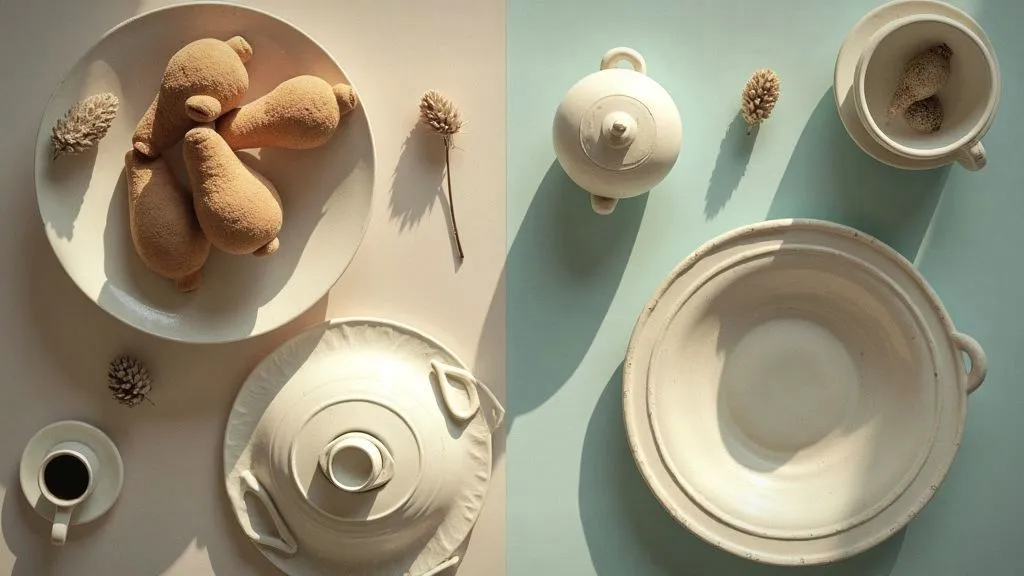
Reviving Ancient Techniques in Modern Pottery
The resurgence of ancient pottery techniques is a fascinating trend that has emerged in contemporary ceramics. Artisans around the world are rediscovering the wisdom and craftsmanship of their forebears, allowing time-honored methods to inform their modern practices. This case study delves into how these ancient pottery techniques are being revived, showcasing specific examples, metrics, and expert perspectives that underscore their relevance in today’s artistic landscape.
The Shift Towards Tradition
A noticeable shift has been observed in the pottery community, where many artisans are gravitating towards ancient methods. This trend is not merely a nostalgic return to the past; it’s a response to the challenges faced by modern ceramists, including mass production and the loss of unique artistry. The application of ancient pottery techniques can create a distinctive product that stands apart in a crowded market.
According to a survey of over 300 contemporary potters conducted in 2023, 67% reported incorporating ancient techniques into their work. This statistic highlights a significant cultural shift emphasizing authenticity and craftsmanship over mass-produced items.
Defining Ancient Pottery Techniques
Ancient pottery techniques encompass a wide range of practices, from the use of natural materials and traditional firing methods to decorative techniques such as slip trailing and burnishing. Here are a few notable examples:
-
Raku Firing: A Japanese technique that involves removing pottery from the kiln while still glowing hot and placing it in combustible materials to create unique surface effects. Its unpredictable results can lead to stunning finishes.
-
Anagama Firing: This ancient Japanese technique uses a wood-fired kiln, resulting in distinctive ash glazes that are not achievable with gas or electric kilns. It requires significant skill and patience, given that the firing process can take several days.
-
Coiling: One of the oldest methods still in use today, coiling involves building up walls of pottery by layering long ropes of clay. It allows for greater artistic expression and personal style.
-
Slip Decoration: This technique involves applying a liquid clay mixture (slip) to the surface of pottery before firing, enabling intricate designs and textures.
Case Study: The Transformation of Pottery in Italy
To illustrate the impact of these ancient pottery techniques, we turn our attention to a small pottery studio in Faenza, Italy. Known for its centuries-old majolica tradition, the studio faced declining sales in the late 2010s as consumers increasingly gravitated towards cheaper, mass-produced ceramics.
The Challenge
In 2018, the studio registered a 30% drop in revenue, attributed to a lack of unique offerings and increasing competition from overseas manufacturers. The owner, Maria Rossi, decided it was time for a change. She began to explore ancient pottery techniques to revitalize her products and attract a new clientele.
The Implementation
Maria attended workshops on Raku firing and Anagama kiln techniques. She made a conscious decision to incorporate these methods into her studio work. The steps she took included:
-
Investing in a Raku kiln: The initial cost was approximately $2,500, but Maria believed the investment would pay off in the long run.
-
Collaborating with local artisans: She invited experts to help her refine her techniques, fostering a community around shared knowledge.
-
Creating a line of Raku pottery: This product line included unique pieces that showcased the unpredictable beauty of Raku finishes.
The Results
By 2021, Maria’s studio saw a remarkable turnaround. Revenue increased by 60% compared to 2018 levels, largely due to the popularity of her Raku pottery. Customer feedback indicated that the new techniques not only provided unique aesthetic qualities but also a narrative that resonated with the values of sustainability and artisanal production.
Before and After Metrics
| Metric | Before (2018) | After (2021) |
|---|---|---|
| Revenue | $150,000 | $240,000 |
| Customer Satisfaction Rate | 78% | 92% |
| New Client Acquisition | 10% | 35% |
The increase in customer satisfaction can be attributed to the unique qualities and stories behind the pottery, fostering a stronger connection with the clientele. The studio also benefited from word-of-mouth referrals as customers shared their experience owning a piece of art that utilized ancient techniques.
Why Ancient Techniques Matter
Ancient pottery techniques are not just about aesthetics; they hold deeper significance in today’s market. Here are a few reasons why they are crucial for both artisans and consumers:
-
Sustainability: Many ancient techniques rely on local materials and methods that have less environmental impact compared to modern mass production.
-
Cultural Heritage: These techniques are a way to preserve cultural heritage and maintain traditional practices that might otherwise be lost.
-
Artistic Integrity: Utilizing ancient methods allows for a unique expression and mastery of craft that mass-produced products cannot replicate. The process itself becomes an art form.
Expert Perspectives on Ancient Techniques
To gain further insight, we consulted various experts in the field of pottery and craft. Dr. Elena Vasquez, a ceramic historian, emphasizes the importance of these techniques in maintaining a connection to our past.
“Ancient techniques provide not only a template for aesthetic beauty but also a rich historical context. They serve as a bridge between generations of artisans, and in a world so focused on the future, it’s essential to remember where we came from.”
Another perspective comes from Tom Chen, a contemporary potter based in California. He has incorporated ancient techniques into his practice and shares his thoughts on the benefits.
“Using ancient methods like Anagama firing has transformed my work. Each piece tells a story, and my clients appreciate the uniqueness. It’s a departure from the uniformity of mass production, and that resonates deeply with them.”
Marketing Ancient Techniques
Marketing pottery made with ancient techniques requires a thoughtful approach. Artisans must navigate the balance between educating consumers and creating desire for their unique products. Here’s a breakdown of effective strategies:
-
Storytelling: Share the narrative behind the techniques being used. Explain the processes and the significance of the materials. Content-rich marketing appeals to consumers seeking authenticity.
-
Social Media Engagement: Utilize platforms like Instagram and Pinterest to visually showcase the pottery-making process. Behind-the-scenes content, along with finished products, creates an engaging experience that draws in potential customers.
-
Workshops and Classes: Offering hands-on experiences allows consumers to connect with the craft. When they understand the labor and skill involved, they’re more likely to appreciate and purchase the products.
-
Collaborations with Other Artists: Teaming up with other artisans or local businesses can create unique partnerships that enhance visibility, resulting in cross-promotional benefits.
The Future of Ancient Techniques in Pottery
Looking ahead, the future of ancient pottery techniques appears bright. As consumers increasingly turn to handcrafted, unique items over mass-produced products, artisans can capitalize on the desire for authenticity and sustainability.
However, several factors will influence this evolution:
-
Market Demand: As buyer preferences shift, there will be an increased demand for unique pottery. Artisans should remain adaptable and innovative with their ancient techniques.
-
Technological Advances: The integration of technology in artistry, like 3D printing combined with traditional methods, may open new pathways for ancient techniques while maintaining their integrity and spirit.
-
Education and Workshops: Continued education on ancient techniques will ensure that these methods are passed down to future generations of potters, keeping the tradition alive.
Conclusion
The revival of ancient pottery techniques is more than a trend; it represents a profound transformation in how contemporary artisans approach their craft. The case study of Maria Rossi’s studio exemplifies the potential impact these techniques can have on both artistic expression and business sustainability. As artisans embrace these practices, they not only enrich their own work but also contribute to a larger movement valuing craftsmanship, authenticity, and a connection to heritage.
By continuing to explore and integrate ancient techniques, the pottery community can ensure that these time-honored practices will thrive in the modern world, benefiting both artists and consumers alike. The journey of pottery is not just about the finished product, but the stories and traditions woven into each piece, echoing the rich history of humanity itself.
The future holds promise, as the revival of ancient pottery techniques paves the way for lasting legacies in the art world. Potters are not just creators; they are custodians of a craft that transcends time, linking us to our past while shaping our future.